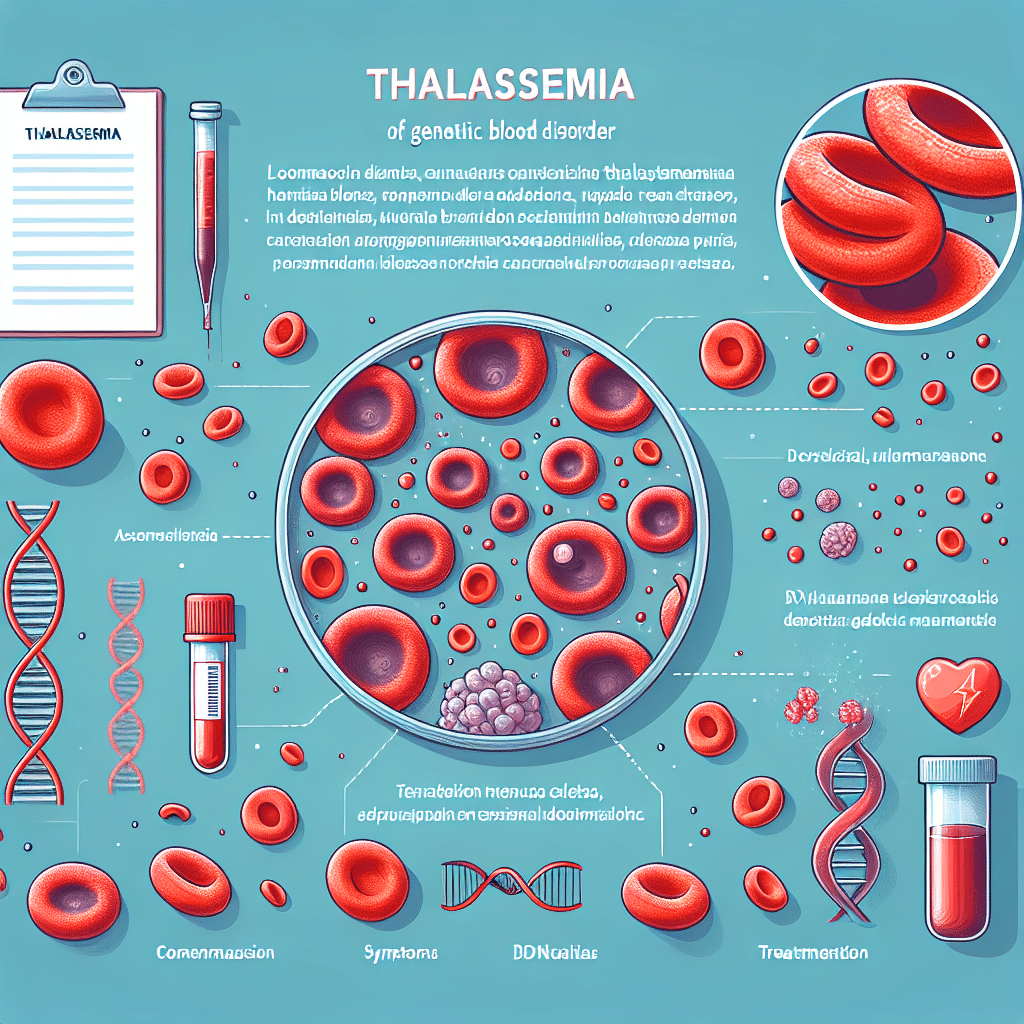
Thalassemia is a group of inherited blood disorders characterized by reduced or absent production of hemoglobin, the protein in red blood cells responsible for carrying oxygen throughout the body. This genetic condition affects the body’s ability to produce normal, healthy red blood cells, leading to anemia and various health complications. Thalassemia is caused by mutations in genes that control hemoglobin production, resulting in either alpha or beta thalassemia, depending on which genes are affected. Symptoms can range from mild to severe, including fatigue, weakness, pale skin, and slow growth. Treatment options vary based on the type and severity of thalassemia, often including blood transfusions, iron chelation therapy, and in some cases, bone marrow transplantation.
Understanding Thalassemia: Causes and Types
To fully grasp the nature of thalassemia, you need to understand its underlying causes and the different types that exist. Thalassemia is a genetic disorder passed down from parents to children, affecting the production of hemoglobin in the body.
Genetic Basis of Thalassemia
Thalassemia occurs due to mutations in the genes responsible for hemoglobin production. Hemoglobin is a crucial protein in red blood cells that carries oxygen throughout your body. When these genes are altered, your body can’t produce hemoglobin effectively, leading to the symptoms associated with thalassemia.
There are two main types of hemoglobin chains: alpha and beta. Depending on which genes are affected, thalassemia can be classified into two primary categories:
Alpha Thalassemia
Alpha thalassemia results from mutations in the alpha-globin genes. There are four genes involved in alpha-globin production, and the severity of the condition depends on how many of these genes are affected:
- Silent Carrier State: One gene is affected, causing no symptoms.
- Alpha Thalassemia Trait: Two genes are affected, resulting in mild anemia.
- Hemoglobin H Disease: Three genes are affected, causing moderate to severe anemia.
- Alpha Thalassemia Major: All four genes are affected, usually resulting in stillbirth.
Beta Thalassemia
Beta thalassemia is caused by mutations in the beta-globin genes. There are two beta-globin genes, and the severity depends on whether one or both genes are affected:
- Beta Thalassemia Minor: One gene is affected, causing mild anemia.
- Beta Thalassemia Intermedia: Both genes are affected, but some beta-globin is still produced.
- Beta Thalassemia Major: Both genes are severely affected, resulting in little to no beta-globin production.
Symptoms and Complications of Thalassemia
The symptoms of thalassemia can vary widely depending on the type and severity of the condition. Understanding these symptoms is crucial for early detection and management of the disease.
Common Symptoms
You may experience the following symptoms if you have thalassemia:
- Fatigue and weakness
- Pale or yellowish skin
- Facial bone deformities
- Slow growth
- Abdominal swelling
- Dark urine
Potential Complications
If left untreated, thalassemia can lead to various complications:
- Iron overload: Regular blood transfusions can lead to excess iron in the body, potentially damaging the heart, liver, and endocrine system.
- Bone deformities: Thalassemia can cause an expansion of bone marrow, leading to skeletal abnormalities.
- Spleen enlargement: The spleen may become enlarged as it works harder to filter damaged red blood cells.
- Heart problems: Severe anemia and iron overload can lead to various heart conditions.
- Infections: People with thalassemia are more susceptible to certain infections.
Diagnosis and Testing for Thalassemia
Early diagnosis of thalassemia is crucial for effective management. Various tests can be used to diagnose and determine the type and severity of thalassemia.
Blood Tests
The first step in diagnosing thalassemia usually involves a complete blood count (CBC) and other specialized blood tests:
- Complete Blood Count (CBC): This test measures the number of red blood cells, white blood cells, and platelets in your blood.
- Hemoglobin Electrophoresis: This test can identify the types of hemoglobin present in your blood, helping to diagnose specific types of thalassemia.
- Ferritin Test: This measures the amount of iron stored in your body, which can be elevated in thalassemia patients who receive regular blood transfusions.
Genetic Testing
Genetic tests can confirm a thalassemia diagnosis and identify the specific genetic mutations causing the condition. This information is crucial for:
- Determining the type and severity of thalassemia
- Predicting the course of the disease
- Planning appropriate treatment
- Genetic counseling for family planning
Prenatal Testing
If you’re pregnant and both you and your partner are carriers of thalassemia, prenatal testing can be done to determine if your baby has the condition. Options include:
- Chorionic Villus Sampling (CVS): Performed between 10 and 12 weeks of pregnancy
- Amniocentesis: Usually done between 15 and 20 weeks of pregnancy
Treatment Options for Thalassemia
The treatment for thalassemia depends on the type and severity of the condition. Here are the main treatment options available:
Blood Transfusions
Regular blood transfusions are a common treatment for moderate to severe forms of thalassemia. They help to:
- Provide healthy red blood cells to carry oxygen throughout the body
- Suppress the body’s attempts to produce defective red blood cells
- Reduce the risk of complications associated with severe anemia
However, frequent blood transfusions can lead to iron overload, necessitating additional treatment.
Iron Chelation Therapy
Iron chelation therapy is crucial for patients receiving regular blood transfusions. It helps remove excess iron from the body to prevent organ damage. This therapy can be administered in two ways:
- Oral medications: Drugs like deferasirox can be taken by mouth
- Subcutaneous injections: Medications like deferoxamine are administered under the skin
Bone Marrow Transplant
A bone marrow transplant, also known as a stem cell transplant, is currently the only potential cure for thalassemia. This procedure involves:
- Destroying the patient’s diseased bone marrow
- Replacing it with healthy bone marrow from a compatible donor
While this treatment can be effective, it carries significant risks and is not suitable for all patients.
Gene Therapy
Gene therapy is an emerging treatment option for thalassemia. It involves:
- Modifying the patient’s own stem cells to produce functional hemoglobin
- Reintroducing these modified cells into the patient’s body
While still in clinical trials, gene therapy shows promise as a potential cure for thalassemia in the future.
Living with Thalassemia: Lifestyle and Management
If you’re living with thalassemia, there are several steps you can take to manage your condition and maintain your quality of life:
Diet and Nutrition
A balanced diet is crucial for managing thalassemia:
- Limit iron-rich foods if you’re receiving regular blood transfusions
- Consume foods rich in folic acid and vitamin B12 to support red blood cell production
- Stay hydrated to help your body function optimally
Exercise and Physical Activity
Regular exercise can help manage thalassemia symptoms:
- Engage in moderate physical activity to improve overall health
- Consult with your doctor about appropriate exercise levels
- Be aware of your limits and avoid overexertion
Regular Medical Check-ups
Routine medical care is essential for managing thalassemia:
- Attend all scheduled appointments with your hematologist
- Undergo regular blood tests to monitor your condition
- Stay up-to-date with vaccinations to prevent infections
Emotional and Psychological Support
Living with a chronic condition can be challenging. Consider:
- Joining support groups for people with thalassemia
- Seeking counseling or therapy if needed
- Staying connected with friends and family for emotional support
Thalassemia Prevention and Genetic Counseling
While thalassemia itself cannot be prevented, there are steps that can be taken to reduce the risk of having a child with the condition:
Genetic Screening
If you’re planning to have children and have a family history of thalassemia or are from a high-risk ethnic group, consider genetic screening. This can help determine if you’re a carrier of the thalassemia gene.
Prenatal Testing
If both parents are carriers, prenatal testing can determine if the fetus has thalassemia. This information can help parents make informed decisions about their pregnancy.
Genetic Counseling
Genetic counselors can provide valuable information and support for individuals and couples affected by thalassemia. They can help you:
- Understand your risk of having a child with thalassemia
- Explore your reproductive options
- Make informed decisions about family planning
Research and Future Prospects
Ongoing research in thalassemia is focused on improving treatment options and potentially finding a cure. Some promising areas of research include:
Advanced Gene Therapy Techniques
Researchers are working on refining gene therapy approaches to make them more effective and accessible. This includes:
- Developing new viral vectors for gene delivery
- Exploring gene editing techniques like CRISPR-Cas9
Improved Iron Chelation Methods
Scientists are investigating new iron chelation drugs and delivery methods to make the treatment more effective and less burdensome for patients.
Novel Drug Therapies
Research is ongoing to develop new medications that can:
- Boost hemoglobin production
- Reduce the need for blood transfusions
- Manage complications associated with thalassemia
Frequently Asked Questions (FAQ)
Q: Can thalassemia be cured?
A: Currently, the only potential cure for thalassemia is a bone marrow transplant. However, this procedure is not suitable for all patients and carries significant risks. Gene therapy shows promise as a potential cure in the future, but it’s still in the experimental stage.
Q: Is thalassemia contagious?
A: No, thalassemia is not contagious. It’s an inherited genetic disorder passed down from parents to children.
Q: How is thalassemia diagnosed?
A: Thalassemia is typically diagnosed through blood tests, including a complete blood count (CBC) and hemoglobin electrophoresis. Genetic testing can confirm the diagnosis and identify the specific type of thalassemia.
Q: Can people with thalassemia have children?
A: Yes, people with thalassemia can have children. However, if both parents carry the thalassemia gene, there’s a risk of passing the condition to their children. Genetic counseling is recommended for individuals with thalassemia who are planning to have children.
Q: What’s the life expectancy for someone with thalassemia?
A: Life expectancy varies depending on the type and severity of thalassemia, as well as the quality of treatment received. With proper management, many individuals with thalassemia can live long, fulfilling lives. However, severe forms of the condition may shorten life expectancy if not adequately treated.
By understanding thalassemia, its causes, symptoms, and treatment options, you can better manage this condition and maintain a good quality of life. Remember, early diagnosis and proper management are key to preventing complications and ensuring the best possible outcomes. If you suspect you or a loved one may have thalassemia, don’t hesitate to consult with a healthcare professional for proper evaluation and guidance.