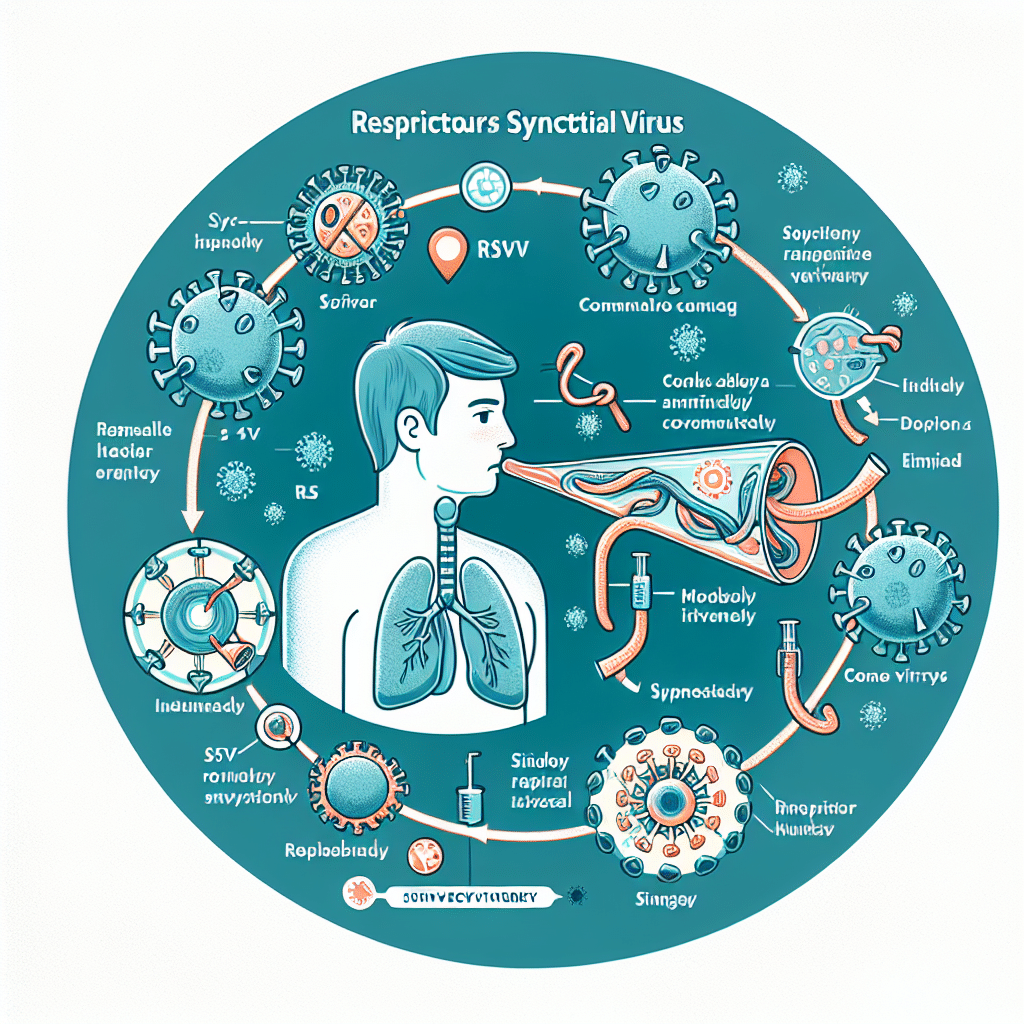
RSV, or Respiratory Syncytial Virus, is a common respiratory virus that primarily affects the lungs and breathing passages. It’s particularly dangerous for infants, young children, and older adults. RSV typically causes mild, cold-like symptoms in healthy adults and older children, but can lead to severe respiratory infections such as bronchiolitis and pneumonia in vulnerable populations. The virus is highly contagious and spreads through droplets from coughs or sneezes, as well as contact with contaminated surfaces. While there’s no specific treatment for RSV, preventive measures and supportive care are crucial in managing the infection.
Understanding RSV: Causes, Symptoms, and Transmission
Respiratory Syncytial Virus (RSV) is a widespread viral infection that affects people of all ages, but it’s particularly concerning for certain high-risk groups. To fully grasp the impact of this virus, it’s essential to delve into its causes, symptoms, and how it spreads.
Causes of RSV
RSV is caused by the Respiratory Syncytial Virus, a member of the Pneumoviridae family. This virus has two main subtypes, A and B, which can circulate simultaneously in communities. The genetic makeup of RSV allows it to mutate rapidly, making it challenging for our immune systems to develop long-lasting protection against it.
Common Symptoms of RSV
The symptoms of RSV can vary depending on the age and health status of the infected individual. In most cases, RSV presents with symptoms similar to a common cold, including:
- Runny or stuffy nose
- Coughing
- Sneezing
- Fever
- Decrease in appetite
- Wheezing
However, in infants and young children, RSV can lead to more severe symptoms such as:
- Rapid breathing or difficulty breathing
- Bluish color of the skin due to lack of oxygen
- Severe coughing
- Irritability and restlessness
Transmission of RSV
RSV is highly contagious and spreads easily through various means:
- Respiratory droplets: When an infected person coughs or sneezes, they release virus-containing droplets into the air.
- Direct contact: Touching or kissing the face of someone with RSV can transmit the virus.
- Contaminated surfaces: The virus can survive on surfaces for several hours, allowing transmission through touch.
- Hand-to-eye or hand-to-nose contact: Touching your eyes or nose after coming into contact with the virus can lead to infection.
Understanding these transmission routes is crucial for implementing effective prevention strategies.
High-Risk Groups and Complications
While RSV can affect anyone, certain groups are at higher risk of developing severe complications from the infection.
Infants and Young Children
Infants, especially those born prematurely or with underlying health conditions, are particularly vulnerable to RSV. The virus can cause severe lower respiratory tract infections, leading to:
- Bronchiolitis: Inflammation of the small airways in the lungs
- Pneumonia: Infection of the lung tissue
These conditions can result in hospitalization and, in severe cases, may require intensive care support.
Older Adults
Adults aged 65 and older are another high-risk group for RSV complications. In this population, RSV can exacerbate existing respiratory conditions or lead to pneumonia, potentially resulting in hospitalization or even death.
Immunocompromised Individuals
People with weakened immune systems, such as those undergoing chemotherapy or organ transplant recipients, are at increased risk of severe RSV infections. For these individuals, the virus can spread more easily to the lower respiratory tract, causing prolonged and more severe symptoms.
Individuals with Chronic Medical Conditions
Those with chronic heart or lung diseases, including:
- Congenital heart defects
- Chronic lung disease
- Asthma
are more susceptible to RSV complications and may experience worsening of their underlying conditions.
Diagnosis and Treatment of RSV
Accurate diagnosis and appropriate treatment are crucial in managing RSV infections, especially in high-risk individuals.
Diagnostic Methods
Healthcare providers use various methods to diagnose RSV:
- Physical examination: Listening to the lungs and checking for signs of respiratory distress.
- Nasal swab: A sample from the nose is tested for the presence of RSV genetic material or antigens.
- Blood tests: To check for signs of infection and assess overall health.
- Chest X-ray: To examine the lungs for signs of pneumonia or other complications.
Treatment Approaches
Currently, there is no specific antiviral treatment for RSV. Management focuses on supportive care and symptom relief:
- Over-the-counter pain relievers: To reduce fever and alleviate discomfort.
- Hydration: Ensuring adequate fluid intake to prevent dehydration.
- Nasal suctioning: To clear mucus from the airways, especially in infants.
- Humidified air: To ease breathing and reduce congestion.
In severe cases, hospitalization may be necessary for:
- Supplemental oxygen
- Intravenous fluids
- Mechanical ventilation in extreme cases
Emerging Treatments
Research is ongoing to develop effective treatments for RSV. Some promising areas include:
- Antiviral medications specifically targeting RSV
- Immunoglobulin therapy for high-risk infants
- Monoclonal antibodies to prevent severe RSV in infants and older adults
Prevention Strategies
Preventing RSV transmission is crucial, especially for protecting vulnerable populations. Here are some effective prevention strategies:
Hygiene Practices
- Hand washing: Frequent and thorough hand washing with soap and water for at least 20 seconds.
- Avoiding touching face: Keeping hands away from eyes, nose, and mouth to prevent virus entry.
- Cleaning surfaces: Regularly disinfecting frequently touched surfaces to eliminate the virus.
Social Distancing and Mask Wearing
During RSV season or when infection rates are high:
- Maintain distance from people who are sick
- Wear masks in public spaces, especially if you’re at high risk or around vulnerable individuals
Vaccination
While there’s currently no approved vaccine for RSV, several candidates are in advanced clinical trials. These potential vaccines target different populations:
- Maternal vaccines to protect newborns
- Vaccines for infants and young children
- Vaccines for older adults
Prophylactic Antibodies
For high-risk infants, a monthly injection of palivizumab (a monoclonal antibody) during RSV season can help prevent severe RSV infections.
RSV Seasonality and Global Impact
Understanding the seasonal patterns and global impact of RSV is crucial for public health planning and individual preparedness.
Seasonal Patterns
In temperate climates like the United States, RSV infections typically follow a predictable seasonal pattern:
- Peak season: Usually occurs from late fall to early spring
- Off-season: Sporadic cases may occur, but at much lower rates
However, in tropical and subtropical regions, RSV may circulate year-round or have less defined seasonal patterns.
Global Burden of RSV
RSV is a significant global health concern:
- It’s estimated to cause about 33 million lower respiratory tract infections in children under 5 years old annually worldwide
- Approximately 3.2 million hospital admissions and 120,000 deaths in children under 5 are attributed to RSV each year
- In the United States alone, RSV leads to about 58,000 hospitalizations and 100-300 deaths in children under 5 annually
Economic Impact
The economic burden of RSV is substantial:
- Direct medical costs related to hospitalizations and outpatient visits
- Indirect costs due to lost productivity of caregivers
- Long-term healthcare costs associated with potential chronic respiratory conditions following severe RSV infections in early childhood
Living with RSV: Management and Long-Term Effects
For most people, RSV is a self-limiting infection that resolves within a week or two. However, for some, especially those who experienced severe infections, there may be long-term considerations.
Recovery and Follow-up Care
After an RSV infection:
- Continue to monitor for any lingering symptoms or complications
- Follow up with healthcare providers, especially for high-risk individuals
- Maintain good overall health to support the immune system
Potential Long-Term Effects
Some studies suggest a link between severe RSV infections in infancy and later respiratory issues:
- Increased risk of asthma or recurrent wheezing in childhood
- Possible long-term impacts on lung function
However, more research is needed to fully understand these potential long-term effects.
Conclusion
RSV is a common but potentially serious respiratory virus that affects millions worldwide each year. While it often causes mild symptoms in healthy adults and older children, it can lead to severe complications in infants, older adults, and those with compromised immune systems or chronic medical conditions.
Understanding the causes, symptoms, and transmission of RSV is crucial for effective prevention and management. As research continues, new treatments and vaccines offer hope for better control of RSV infections in the future. In the meantime, practicing good hygiene, staying informed about local RSV activity, and taking appropriate precautions can help protect yourself and vulnerable individuals from this widespread virus.
Frequently Asked Questions (FAQ)
Q: Can adults get RSV?
A: Yes, adults can get RSV. While it’s often more severe in infants and older adults, anyone can contract the virus. In healthy adults, symptoms are usually mild and similar to a common cold.
Q: How long is RSV contagious?
A: People infected with RSV are typically contagious for 3 to 8 days. However, some infants and people with weakened immune systems can continue to spread the virus for as long as 4 weeks, even after they stop showing symptoms.
Q: Can you get RSV more than once?
A: Yes, it’s possible to get RSV multiple times. While you may develop some immunity after an infection, this immunity is not complete or long-lasting. Reinfections are common, though subsequent infections are often less severe.
Q: Is there a vaccine for RSV?
A: Currently, there is no approved vaccine for RSV available to the general public. However, several vaccine candidates are in advanced stages of clinical trials, targeting different populations such as pregnant women, infants, and older adults.
Q: How is RSV different from the flu or COVID-19?
A: While RSV, flu, and COVID-19 are all respiratory viruses, they are caused by different pathogens. RSV typically causes milder symptoms in healthy adults compared to flu or COVID-19. However, RSV can be particularly dangerous for infants and older adults. The specific symptoms and severity can vary, and only a healthcare provider can accurately diagnose these conditions.